Why business travel insurance in the UK is not the same as holiday cover
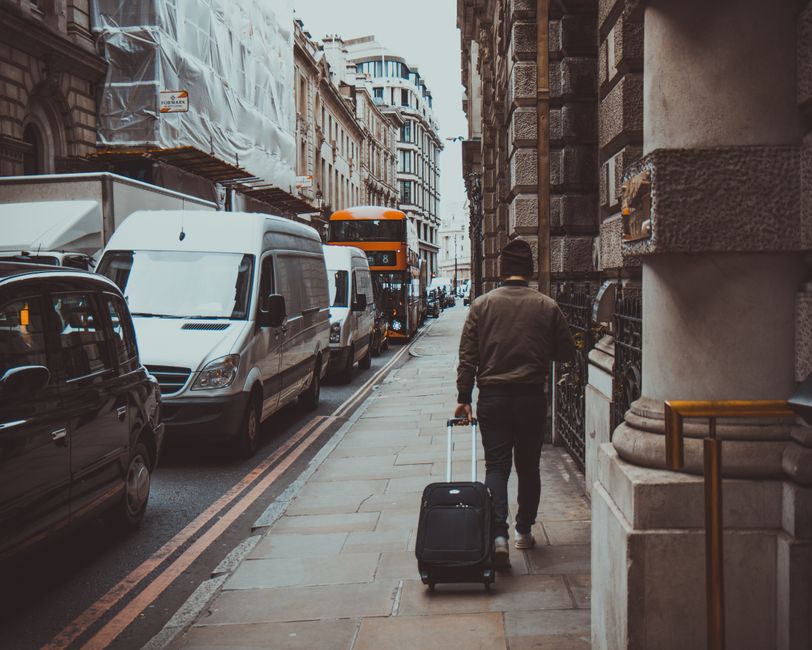
I got caught out on this years ago. I booked a three-day trip to Frankfurt on a personal annual policy, my laptop bag got swiped at the station, and the claim was rejected because the policy excluded work equipment over £500. That was a £1,400 MacBook down the drain, all to save about £30 on the premium. Business travel insurance in the UK is a different product, even when the price tag looks similar, and the differences sit in the small print rather than the headline cover amounts.
The main gaps are kit, activity, and frequency. Standard leisure policies usually cap business equipment at a token amount, exclude manual work abroad, and get awkward if you travel more than the trip limit allows. A proper business policy handles those three things from the s
 tart. Some insurers sell it as a bolt-on to a standard policy, others as a dedicated corporate plan, and the pricing between the two routes varies more than you would expect.
Single-trip or annual multi-trip: which one actually saves money?
For anyone flying for work more than three or four times a year, annual multi-trip cover almost always wins. A single-trip policy for a European business trip typically costs £12 to £30 if you buy it direct. An annual multi-trip European policy runs from roughly £35 to £90 for an individual. So the maths flips at around your fourth trip.
Two things to watch with annual policies. First, check the maximum trip length. Many budget annual policies cap each trip at 17 or 21 days, which is fine for a two-day conference but useless if you get sent to Singapore for a month. Some insurers (AXA and Staysure, for example) offer 31, 45, or even 60-day options for a small uplift. Second, check the region. A Europe-only policy will not cover a New York sales trip, and a worldwide policy excluding the US, Canada and the Caribbean is cheaper than full worldwide for a reason. Medical costs in America make the difference.
Rough price benchmarks for 2025
| Cover type | Typical annual price (individual) | Typical trip length cap |
|---|---|---|
| Europe multi-trip | £35–£90 | 17–31 days |
| Worldwide ex-US multi-trip | £60–£130 | 17–31 days |
| Worldwide incl. US multi-trip | £80–£180 | 17–31 days |
Prices move around a lot by age and medical history, so treat these as a starting point, not a quote.
What a good business policy actually covers
Medical and repatriation is the headline number, and this is the one place where you should never economise. The Foreign, Commonwealth and Development Office regularly points out that a US hospital stay can hit tens of thousands of pounds and an air ambulance home from Australia can exceed £50,000. I look for at least £5 million of medical cover and unlimited where possible, because the incremental cost of a higher limit is usually a couple of pounds.
After medical, these are the areas worth checking line by line:
- Business equipment, including laptops, phones and samples. Look for £1,500 to £3,000 cover with a clear single-item limit above the cost of your actual laptop.
- Gadget cover as standard, not as a paid extra. Plenty of policies quietly exclude phones unless you pay £20 more.
- Cancellation and curtailment at the full cost of the trip, including prepaid hotels and conference fees.
- Travel delay, usually £20 to £30 per 12 hours after an initial waiting period.
- Missed departure, which matters if you rely on a connection to get to a client meeting.
- Personal money and documents, replacement passports and corporate cards while abroad.
One point people miss: hired car excess. If you rent cars on business trips, standalone excess insurance from a specialist (around £40 to £70 a year) beats the waiver the rental desk sells you at £15 a day. I have no idea why anyone still buys that at the counter.
Should a company buy group cover instead?
Once you are insuring five or more regular travellers, group or corporate policies become the better route. You add and remove employees as they join or leave, everyone gets the same cover levels, and claims go through a single broker relationship instead of five personal policies scattered across providers. Pricing for group schemes is usually quoted per traveller and negotiated, but as a rough guide expect £60 to £150 per person per year for worldwide cover depending on the age profile and any pre-existing conditions across the group.
There are also duty-of-care reasons. If your staff travel to higher-risk destinations, a corporate policy typically bundles 24/7 assistance, security evacuation and sometimes kidnap and ransom extensions. For a small firm this sounds dramatic, but if you have engineers visiting parts of Africa or South America, it is genuinely the responsible way to buy.
The mistakes I see most often
Declaring medical conditions late is the big one. Under UK rules, insurers can void a claim if you did not disclose something material, even something that feels trivial like controlled blood pressure. Use the medical screening process when you buy, even though the online questionnaires are tedious. A £15 premium increase beats a refused £20,000 claim.
The other common errors:
- Buying from the airline or booking site at checkout, which is often the worst value per pound of cover.
- Assuming a company credit card covers you. Some premium cards include travel insurance, but the business equipment limits are usually low and cover often only applies if the trip was paid on that card.
- Ignoring the winter sports or hazardous activities extension when the conference happens to be near a ski resort. Yes, I have seen that claim fail.
- Forgetting that cover starts the moment you buy the policy, not the moment you fly. Buying cancellation cover after you have already heard rumours of the trip collapsing is too late.
Frequently asked questions
Does UK business travel insurance cover domestic trips?
Partly. Cancellation, delay and baggage cover can apply to trips within the UK, usually only if you have pre-booked accommodation or transport in advance. Medical cover is largely irrelevant domestically because the NHS picks that up. Some policies exclude UK trips under 2 or 3 nights, so check.
What about working abroad, not just attending meetings?
Attending meetings and conferences is standard on business policies. Actual physical work, construction, or anything the insurer classes as manual labour usually needs a specific extension. Clerical work and normal professional duties are fine on most decent policies.
Is cover valid if I extend a business trip for a holiday?
Usually yes, provided the whole trip stays within the maximum trip duration and the trip’s primary purpose is business. Some insurers call this a mixed trip and treat it as a business trip throughout. Others get fussy about it, so if you do this often, pick a policy that states it clearly.
Can freelancers buy business travel insurance?
Absolutely. Solo policies from providers like AXA, Allianz, battleface and various specialists cover sole traders. Expect to declare your kit value honestly, since freelancers often travel with more equipment than employees do.
How to buy without regretting it later
Compare on cover first and price second, and buy direct from the insurer or through a broker rather than a checkout upsell. Read the business equipment single-item limit before anything else, because that is where claims fail most often for working travellers. If you travel for work more than three times a year, get an annual multi-trip quote with worldwide US-inclusive cover, check the trip-length cap, and complete the medical screening properly. Ten minutes of reading the schedule now beats a rejected claim at a hotel desk in Chicago later.