If you have ever typed “business credit card near me” into Google while sitting at an airport gate, you are not alone. It is one of the most common searches among UK business travellers, and it makes sense. When your team books flights, hotels and rail tickets every month, the way you pay for all of it quietly decides how much money leaks out of the business.
I have spent the better part of a decade sorting out travel payments for small and mid-sized UK firms, from three-person agencies in Manchester to 60-staff consultancies in London. The same problem comes up every time: people use personal cards, reclaim expenses, and lose hours (plus air miles, VAT receipts and occasionally the receipts themselves). A decent business card fixes most of that in one move.
What does “near me” actually mean for a business credit card?
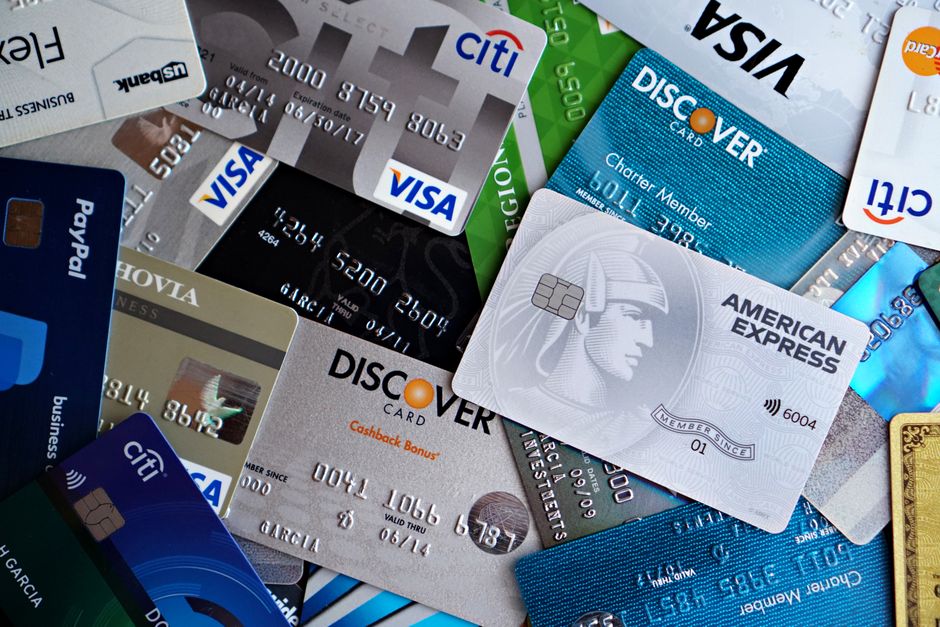
Here is the honest answer: not much, geographically. UK business credit cards are issued nationally by banks like Barclays, Lloyds, HSBC, NatWest and American Express, and nearly every application now happens online. You are not walking into a branch to pick one up like a loaf of bread.
What the search usually signals is something else entirely. It means you want speed. You want to know which card you can actually get approved for this week, from a provider you can reach, ideally one with UK-based support when a card gets declined at a hotel front desk in Birmingham at 11pm. That is the real question, and it is a fair one.
So think of “near me” as “rel
 evant to me”. A sole trader in Leeds has different needs than a limited company with 20 cardholders. The card that is “near” you is the one that matches your structure, your spend and your credit profile.
Which UK business cards work best for travel spending?
I will not pretend there is one winner, because there is not. But some cards earn their keep for travel-heavy businesses better than others. A few that come up again and again in my line of work:
- Barclays Business Credit Card, typically 1% cashback on eligible spend in the first 12 months and no annual fee on the standard tier. Solid if you already bank with them, since approval tends to be smoother.
- American Express Business Platinum, around £595 per year. Yes, that stings. But it includes airport lounge access (Centurion and Priority Pass), which alone can be worth it if your team flies more than 15 or 20 times a year. Amex acceptance is still patchy outside cities, so keep a backup Visa.
- NatWest Business Credit Card, usually £0 annual fee with a representative APR in the 20s. Nothing flashy, but widely accepted and well integrated with UK accounting software.
- Capital on Tap, popular with small businesses because approval is fast, often same day, and the free tier includes 1% uncapped cashback. The paid tier adds more but only makes sense above roughly £10,000 monthly spend.
One thing I always flag: the representative APR is rarely what you actually pay, and it is almost never worth carrying a balance. Pay in full each month. A card charging 26% APR while you earn 1% cashback is a terrible trade.
How do fees and FX charges eat into travel budgets?
This is where businesses lose silly money. If your team travels to Europe or the US, non-sterling transaction fees on many high street cards run at 2.75% to 3% on every purchase. On a £4,000 quarterly travel spend abroad, that is £110 to £120 gone before you have bought anything worth buying.
Travel-friendly cards and fintech options like Revolut Business or Starling’s business accounts charge 0% FX up to a monthly allowance, then a small percentage after. Amex charges its own FX load, usually around 2.99%, which quietly cancels out a chunk of Membership Rewards points earned abroad.
The maths, plainly
| Spend type | Typical fee on standard card | Travel card alternative |
|---|---|---|
| £2,000 in EUR (Berlin trip) | £55 to £60 | £0 (within FX allowance) |
| £3,500 in USD (New York trip) | £96 to £105 | £0 to £14 |
| Cash withdrawal, £500 | £15 plus interest | Varies, often still costly |
Cash withdrawals are almost always expensive on credit cards, travel cards or not. Use them for purchases, not ATMs.
Does a business credit card actually help with expenses?
More than people expect, and in ways that go beyond points. The accounting side alone justifies it for most teams I work with.
Most UK business cards now feed transactions straight into Xero, FreeAgent or QuickBooks. Instead of a shoebox of receipts and a Friday afternoon of pain, reconciliations mostly happen themselves. VAT claims get easier too, because the card statement gives HMRC-friendly records, and card spend qualifies for the simplified 50/50 business entertainment split rules when meals are involved.
Then there is control. You can set individual cardholder limits, freeze a card from an app in seconds, and see who spent what on which flight in real time. Compare that with a stack of personal card statements submitted as PDFs. It is not close.
What do you need to get approved in the UK?
Requirements vary, but expect the following from most mainstream issuers:
- Your business registered name, number and address (Companies House details for limited companies).
- A personal guarantee from a director or owner, on cards for companies with turnover under roughly £2 million. This is standard, not a red flag, but understand what you are signing.
- Trading history, often 12 months minimum for bank cards, though fintech issuers can be more flexible.
- Annual turnover and estimated monthly card spend.
- A personal credit check. Yours, not the company’s, usually.
The personal guarantee is the part people skip past in the small print. If the business cannot pay the balance, you personally can be pursued for it. For a stable business that clears the card monthly, this is a formality. For a shaky one, think carefully before signing.
Points, miles or cashback: which should you pick?
My take, after watching clients chase points for years: cashback wins for most small UK businesses, and miles only make sense above a certain travel volume.
Avios via a British Airways Amex, for instance, can be genuinely valuable if you fly to the US or Middle East regularly and can book reward seats. The free BA Amex earns 1 Avios per £1, and a companion voucher arrives after £15,000 of spend (worth hundreds of pounds on the right route). But if your travel is mostly domestic rail and Premier Inn stays, points gather dust while cashback pays the coffee bill.
A reasonable rule: under about £5,000 monthly card spend, take cashback and simplicity. Above that, with regular long-haul flights, start running the numbers on airline cards. And never let points influence a booking that costs the business more in cash than the alternative.
Common mistakes I see with business travel cards
A short list, drawn from real pain:
- Using the card for cash withdrawals. Interest starts immediately, often above 27% APR.
- Assuming Amex is accepted everywhere. It is not, particularly at smaller hotels and B&Bs outside cities.
- Ignoring the FX fee on a card chosen purely for its rewards rate.
- Giving every employee the same limit. One director-level limit should not apply to a junior on their first trip.
- Forgetting to reconcile monthly, then facing a year-end scramble.
Frequently asked questions
Can a sole trader get a business credit card?
Yes. Most UK issuers offer sole trader cards, though approval leans heavily on your personal credit history since there is no separate company entity. Capital on Tap and the high street banks both have options.
How long does approval take?
Fintech issuers can decide within a day. High street banks typically take one to two weeks, especially if you are a new customer. Existing customers often get faster decisions.
Does a business credit card build my company’s credit score?
Slowly, yes. Responsible use is reported and helps with future credit applications, but the effect is modest compared with personal credit. Some fintech cards do not report at all, so check if this matters to you.
The short takeaway
Before you apply anywhere, do three things: add up your actual monthly travel spend, check the FX fee line in the terms, and decide whether points or cashback fits how your team actually travels. Ten minutes with those three numbers will narrow the field from thirty cards to two or three, and the right card for a UK business traveller is almost always one of those two, not whatever happens to be advertised loudest.