I get asked this more than almost any other travel tax question: is business travel insurance tax deductible? The short answer for Australian businesses is yes, in most cases, but the details matter more than people expect. Get the claim wrong and the ATO can disallow it. Get it right and it becomes one of those quiet expenses that quietly saves your company real money every financial year.
Here is the honest picture, based on how the rules actually work in practice rather than how they read on paper.
The short answer from the ATO
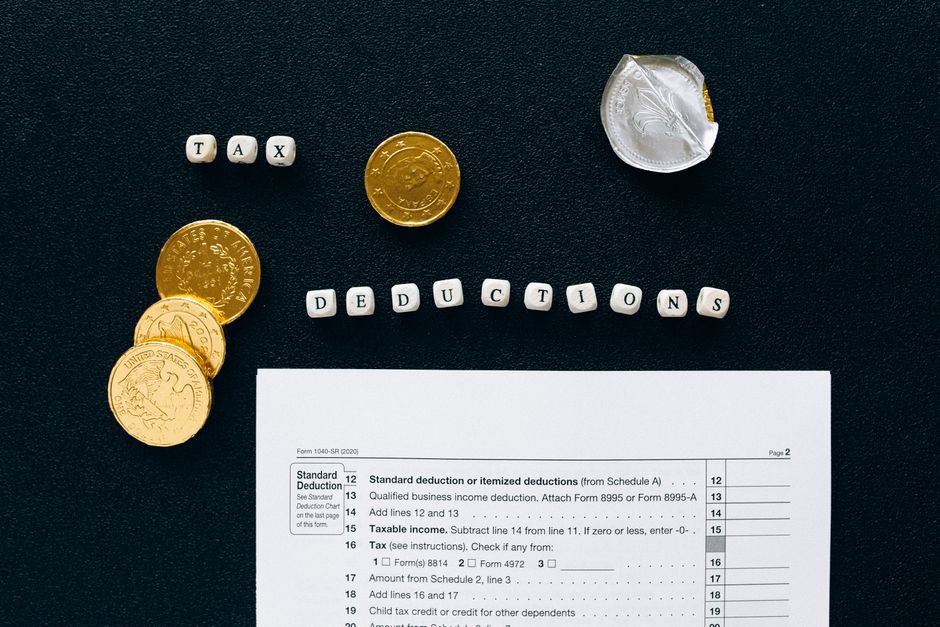
Travel insurance taken out for a work trip generally counts as a business expense under section 8-1 of the Income Tax Assessment Act 1997. The logic is simple: you incur the cost to produce assessable income, so it is deductible. A $180 comprehensive policy covering a five-day sales trip to Singapore is in the same category as the airfare and the hotel.
Where it gets messy is mixed use. If a policy covers a trip that is half work and half holiday, or covers a spouse who is
 purely along for the ride, only the business portion is claimable. The ATO does not audit every policy, but if you are ever reviewed, that apportionment is the first thing they look at.
What counts as deductible travel insurance
Not every policy you buy before a flight qualifies. Based on what I have seen hold up in practice, the deductible category covers:
- Comprehensive single-trip policies for genuine work travel, domestic or overseas
- Annual multi-trip policies, apportioned to the share of trips that are business
- Trip cancellation cover where the cancelled trip was for business
- Medical and evacuation cover for employees working overseas
- Rental vehicle excess cover when the car was hired for work purposes
- Corporate or group travel schemes covering your travelling staff
The non-deductible bucket is just as important. Life insurance and income protection are personal deductions, not business ones, and travel insurance bundled into a credit card package is nearly impossible to apportion cleanly. If a policy covers a family holiday, it is out. Plain and simple.
How the ATO looks at apportionment
Say your sales director spends two weeks in the US, ten days of client meetings and four days visiting cousins in Denver. The airfare apportionment rules in Taxation Ruling TR 97/37 give you a method: deduct the costs of the work days, treat the private days separately. Travel insurance follows the same logic. You cannot claim the whole $340 premium just because the trip started as business.
My advice, having watched small businesses tie themselves in knots over this, is to keep it simple. Where the private portion is trivial, claim the business share and note the calculation in your records. Where it is substantial, split the premium. If your accountant cannot reconstruct how you got the number two years later, the claim is weak.
Sole traders versus companies: a real difference
Sole traders and partnerships
If you are a sole trader travelling for your own business, travel insurance is deductible the same way as any other trip cost. The trap is insurance covering personal travel, which is never claimable no matter how you structure it. Keep separate policies if you can. One annual policy mixing a work trip to Auckland and a family holiday in Fiji is an apportionment headache you do not want.
Companies and staff
For a company, travel insurance for employees on work trips is a straightforward business expense. There is also no fringe benefits tax problem when the cover relates directly to the work trip, since it sits within the otherwise deductible rule for travel expenses. This is one area where buying a corporate travel insurance scheme, rather than individual policies per trip, makes tax and administration easier at the same time.
What the numbers actually look like
A rough guide to premiums in the Australian market right now: a single-trip overseas comprehensive policy for a week in Asia runs about $120 to $250 depending on age and baggage cover. An annual multi-trip Asia-Pacific plan sits around $450 to $700, and worldwide annual cover starts near $900. For a company with five people travelling regularly, a corporate scheme at $600 to $800 per traveller per year is common.
| Policy type | Typical annual cost | Deductible? |
|---|---|---|
| Single-trip, overseas work trip | $120-$250 | Yes, fully if trip is all business |
| Annual multi-trip, mixed use | $450-$900 | Business share only |
| Corporate group scheme | $600-$800 per traveller | Yes, generally in full |
| Credit card bundled cover | Included in card fee | Very hard to apportion |
At the company tax rate of 25 per cent for small businesses, a $3,000 annual insurance spend that is properly deductible saves $750 in tax. Not life-changing, but it is money you are currently leaving on the table if you have not been claiming.
Record keeping that survives an audit
The ATO requires records for five years, and travel insurance is no exception. What I tell clients to keep:
- The policy document and certificate of insurance
- The premium invoice showing the amount and date paid
- Trip documentation, the itinerary, meeting schedule or client correspondence
- Your apportionment calculation for any mixed-use policy
Bank statements help, but a bank line reading “SITCOVER $189” proves nothing on its own. The tax invoice is what counts. If you buy through an online comparison site, download the policy PDF on the day of purchase, because some insurers purge them after the trip.
Common mistakes I see
After a decade in this space, the same errors come up again and again. Businesses claim the full premium on mixed trips and hope nobody notices. Owners run one policy across personal and work travel because it is cheaper, then cannot split it. People assume credit card travel cover is deductible because they pay an annual card fee for their business, which almost never works in practice.
There is also over-claiming in the other direction. Plenty of companies never claim at all, because nobody realised the premium was deductible. If that is you, you can generally amend prior year returns within the two-year amendment window for smaller claims, so it is worth asking your accountant.
Frequently asked questions
Is travel insurance tax deductible for domestic trips within Australia?
Yes, if the trip is for business purposes. Domestic travel insurance is less common than overseas cover, but if you buy it for a work trip, the premium follows the same deduction rules.
Can I claim travel insurance if I extend a work trip for a holiday?
Only the business portion. Extend a Brisbane conference by a week in Cairns and you should apportion the premium, the same way you would split the accommodation.
Does GST apply to the deduction?
If you are GST registered and the insurer charged GST on the premium, you claim the GST credit separately on your activity statement and deduct the GST-exclusive amount. Do not claim both.
The practical takeaway: buy travel insurance for work trips, keep the invoice, split anything mixed-use honestly, and add the premium to your standard travel expense claim. It is one of the cleanest deductions available to Australian businesses, provided your paperwork matches the story your tax return tells.